
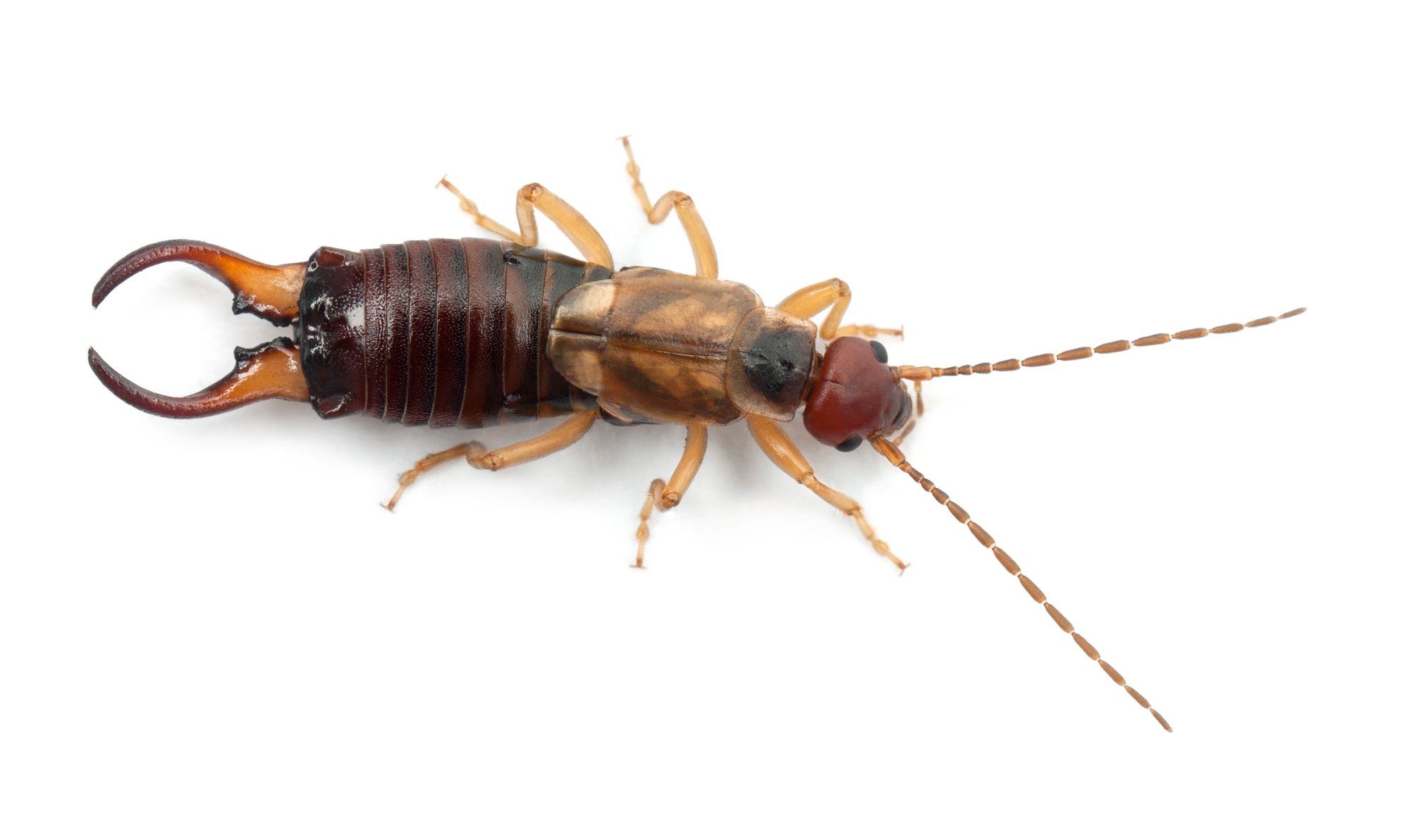
COMMON TYPES OF Earwigs IN YOUR HOME
Earwig activity in the United States primarily comes from a small number of species that live outdoors but migrate inside when environmental changes occur. Earwigs are highly dependent on moisture and shelter, which is why indoor sightings increase after heavy rainfall or seasonal shifts in temperature. As these outdoor conditions become less favorable, earwigs seek protection in areas such as homes, which provide ideal hiding spaces for this insect.
EUROPEAN EARWIG
The European earwig (Forficula auricularia) is the most common earwig found in homes across the country. Despite their name, these earwigs are well established throughout the United States, and are responsible for the majority of residential complaints. Although they are often thought of as crawling insects, European earwigs have flying capabilities and the species is known to thrive with in moisture, soil, or around foundations.
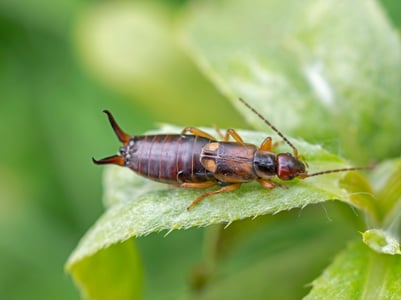
- 1/2″ – 3/4″ ilength
- Reddish-brown with a flattened body
- Equipped pincers at the end of the abdoment
- Nocturnal & occasional flyer
Prevention is usually much easier and more manageable than attempting to treat an infestation. If you’ve experienced earwig problems in the past or are concerned that your home may be at risk, contact EcoShield for an inspection and front-line treatment plan. Protecting yourself prior to earwigs becoming a problem is the single best way to avoid them altogether. Our year-round Shield Protection Plan can also prevent and control ants before they become a problem.
SEE earwigs? TAKE THESE STEPS
If you see one earwig, it’s safe to say that there are more crawling around in your walls, between the cracks, and reproducing where you can’t see them. Your earwig problem will not go away on its own, and some pest control methods are ineffective.
Want to get rid of your earwigs for good? Follow these steps:
- Step 1: Call EcoShield Pest Solutions today for a free estimate.
- Step 2: Avoid trying to treat your earwig problem before our team of experts can properly identify the type of earwig invading your property.
- Step 3: Schedule a time that works best for you. The pest control technicians at EcoShield always strive to accommodate your schedule.
- Step 4: Watch your pest control problem disappear and eliminate your stress and worry.
At EcoShield, we help you through every step of the pest control treatment process. Whether you have general questions about earwigs in your home or you need to get rid of a damaging infestation, our experts are trained to answer any questions and provide the best solution for you.
For a FREE No-Obligation Estimate, please call our office or fill out the form at the top right section of this page.