
Have you seen something dart across your bathroom floor? Or maybe a small insect curled up near a damp spot? Earwigs, commonly known as pincer bugs, are one of the most startling pests a homeowner can encounter. But where are they coming from, and why do they keep showing up.
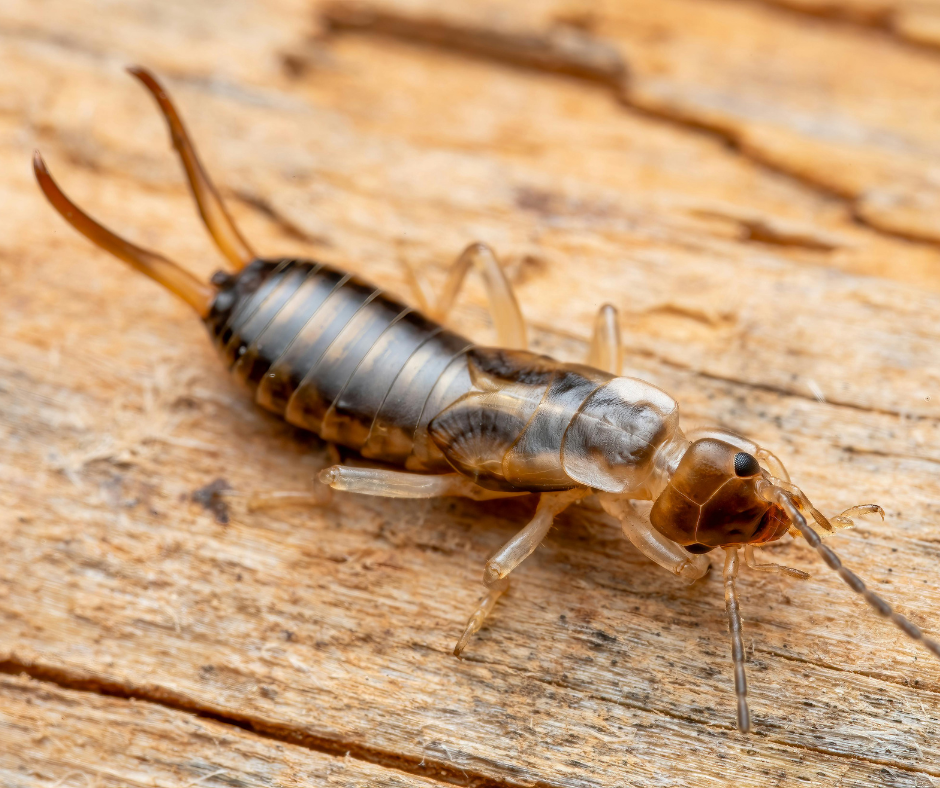
What is a Pincer Bug?
A pincer bug is a common name for an earwig insect. Their most defining feature, and source of nickname, comes from the pincer claws that protrude from the tip of their abdomen. On males, these pincers are large and curved, while on females, they are more straight and narrow. Despite their look, these pincers are fairly weak and used for defense, not attacking humans.
Where Are They Coming From?
Earwigs are outdoor insects, living in soil, mulch, and other debris close to the ground. Typically, most earwigs showing up in your home have not hatched there- they were living outside and found their way in. Let's see why:
Chasing Moisture
Earwigs need moisture to survive, and this is the most common reason why they end up inside your home. When the weather turns warmer or conditions outside become unfavorable, earwigs migrate toward any humidity they can find. Your home's plumbing, basement, and crawl spaces are seen as an oasis for earwigs.
Once inside, they can travel toward kitchens, bathrooms, or any area where moisture builds up. Finding a pincer bug near your sink, or in a damp corner, is a reliable sign that your home has moisture conditions attractive to earwigs.
Finding Openings
Earwigs don't have to work very hard to get indoors. These insects can enter through foundational cracks, gaps, and any small gaps. Earwigs are flat-bodied, fast-moving insects that do not need much leeway to enter a home. Additionally, these pests may hitchhike inside by latching onto items such as potted plants, soil, fertilizer, and more.
Enjoying Your Yard
Certain outdoor conditions can create the perfect conditions for earwigs right next to your home:
- Mulch or leaf litter piled against the foundation
- Dense ground cover, ivy, or other low-growing plants along the perimeter
- Clogged gutters or poor drainage that keeps the soil near your foundation perpetually moist
- Rotting wood, debris piles, or firewood stacked against the house
- Overwatered landscaping
All of these conditions can create the dark, cool, damp habitats that earwigs thrive in.
What Should I Do If I See Pincer Bugs?
There are a few basic steps you can take around your property to make it less inviting to earwigs:
- Pull mulch and plant debris away from the foundation
- Fix leaky gutters, faucets, drainage issues, and foundational openings
- Switch exterior lights to yellow bulbs to reduce nighttime attraction
- Avoid leaving firewood or organic material stacked against the house
DIY sprays and traps can knock down a few earwigs, but they don't address the moisture issues, entry points, and outdoor harborage that keep them coming back.
Whether it's a handful of earwigs in the bathroom or a full-blown perimeter problem, EcoShield's proactive approach is built to eliminate pests and keep them from returning. Give us a call or fill out the form on this page for a free, no-obligation estimate. Don't let pincer bugs keep you on edge in your home! Our Home Shield Residential service will also keep them out for good!