
 When temperatures drop and winter settles in, many homeowners assume pest problems will disappear until spring. While colder weather can reduce the activity of certain pests, bed bugs are an exception. These persistent pests can remain a problem year-round, even during the coldest months.
So, can you get bed bugs in the winter? Absolutely! In fact, winter travel, holiday gatherings, and time spent indoors can create opportunities for bed bugs to hitch a ride into your home.
Understanding how bed bugs survive the winter, where they hide, and what signs to look for can help you protect your home throughout the season.
Do Bed Bugs Die in the Winter?
 Unlike many outdoor pests, bed bugs don't rely on warm weather to remain active. They are indoor pests that thrive in environments where people live, sleep, and spend time.
Because most homes maintain comfortable indoor temperatures throughout the winter, bed bugs can continue feeding, reproducing, and spreading regardless of the weather outside.
Although prolonged exposure to extreme cold can kill bed bugs, simply turning down your thermostat or opening the windows won't eliminate an infestation. Bed bugs can also survive for extended periods without feeding, making them particularly difficult to control.
Why Are Bed Bugs Still a Problem During Winter?
There are several reasons bed bugs can become a concern during the colder months.
1. Holiday Travel and Overnight Guests
Winter often brings increased travel, family visits, and overnight guests. Bed bugs are excellent hitchhikers and can travel in suitcases, backpacks, purses, clothing, and other personal belongings.
Hotels, vacation rentals, airports, and other high-traffic locations can provide opportunities for bed bugs to latch onto belongings and make their way home with unsuspecting travelers.
2. More Time Spent Indoors
Cold weather means more time inside, but it doesn't necessarily mean more bed bugs. However, spending more time indoors can make it easier to notice signs of an existing infestation, particularly in bedrooms and living areas.
3. Indoor Temperatures Allow Them to Thrive
Bed bugs prefer temperatures similar to those found in most homes. As long as they have access to a food source, primarily human blood, they can remain active throughout the winter.
4. Infestations Can Go Unnoticed
Bed bugs are small, excellent at hiding, and primarily active at night. An infestation can develop without being immediately noticed, allowing populations to grow before homeowners recognize the problem.
What Are the Signs of a Bed Bug Infestation?
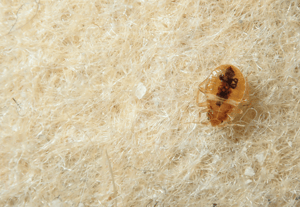
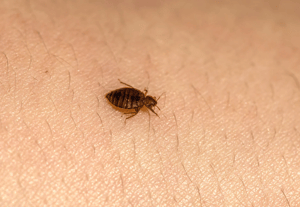
Bed bugs are small, reddish-brown insects that are roughly the size of an apple seed when fully grown. They are flat, oval-shaped, and can be difficult to spot, especially when hiding in mattress seams, furniture, and other tight spaces.
Even if you don't see a live bed bug, there are several warning signs to watch for:
- Small reddish-brown stains: Blood spots on sheets, pillowcases, or mattresses.
- Dark spots: Tiny black or brown spots caused by bed bug droppings, often found along mattress seams or furniture.
- Shed skins: Translucent shells left behind as bed bugs grow.
- Tiny eggs: Small, pale-colored eggs that may be found in cracks and crevices.
- Unexplained bites: Small, itchy welts that may appear in clusters or lines on exposed skin.
It's important to remember that bites alone are not a reliable way to identify bed bugs. Physical evidence is a much better indicator of an infestation.
How to Prevent Bed Bugs During Winter
 Whether you're traveling for the holidays or spending more time at home, a few simple precautions can help reduce your chances of bringing bed bugs indoors.
Inspect hotel rooms before unpacking. Check mattress seams, headboards, bed frames, and nearby furniture for signs of bed bugs. Keep luggage on a designated rack rather than on beds or upholstered furniture.
Inspect your belongings after traveling. Before putting suitcases away, carefully inspect them for unwanted hitchhikers. Wash and dry travel clothing using high heat when the fabric allows.
Be cautious with secondhand furniture. Used mattresses, couches, bed frames, and other upholstered furniture can harbor bed bugs. Thoroughly inspect items before bringing them into your home.
Reduce clutter. Bed bugs are experts at hiding in small spaces. Keeping bedrooms tidy and reducing clutter can make potential hiding spots easier to identify.
Inspect sleeping areas regularly. Check mattress seams, box springs, headboards, bed frames, and nearby furniture for physical signs of bed bugs.
Can You Get Rid of Bed Bugs by Turning Down the Heat?
It might seem logical to use winter temperatures to your advantage, but turning down your thermostat or leaving windows open won't eliminate bed bugs.
Although extreme cold can kill bed bugs under specific conditions, temperatures must remain sufficiently low for an extended period to reach insects hiding deep inside furniture and other materials. Simply placing potentially infested belongings outside during winter is not a dependable solution.
Professional pest control treatments use specialized equipment and targeted methods to address infestations more effectively. Attempting to heat or freeze an entire home without the proper equipment can be ineffective and potentially dangerous.
What Should You Do If You Find Bed Bugs in Your Home?
 If you suspect a bed bug infestation, don't wait for warmer weather to address it. Bed bugs won't simply disappear when spring arrives.
Start by confirming the presence of bed bugs through physical evidence. Avoid moving potentially infested furniture or belongings into other rooms, as this can unintentionally spread the problem.
It's also best to avoid relying on over-the-counter insecticides, foggers, or DIY remedies. Improper treatments can scatter bed bugs into additional hiding places without eliminating the infestation.
Instead, contact a qualified pest management professional who can inspect the affected areas, identify the extent of the problem, and recommend an appropriate treatment plan.
Stay Protected From Pests All Year Long With EcoShield
 Winter may bring colder temperatures, but it doesn't mean your home is free from pest threats. From bed bugs hitchhiking home in holiday luggage to rodents seeking shelter from the cold, pests can find ways indoors throughout the year.
At EcoShield Pest Solutions, we're committed to helping homeowners protect their homes with effective, targeted pest solutions. Don't let unwanted pests become an unwelcome part of your winter!
Have concerns about pests in your home? Contact EcoShield Pest Solutions today to learn more about our services.
Visit EcoShieldPest.com or call (888) 744-1284 to get started!