
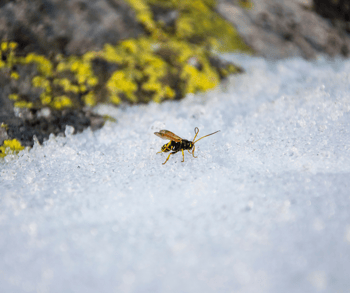
 Wasps are a common sight during the warmer months, building nests around homes, buzzing around outdoor gatherings, and searching for food near gardens and patios. While they play an important role in the environment, these stinging insects can quickly become a nuisance when they establish nests too close to your home. Whether you're noticing increased wasp activity around your eaves or discovering a nest near your front porch, understanding their behavior and lifecycle can help you know what to expect as the seasons change.
Understanding Wasps and Their Behavior
Wasps belong to the order Hymenoptera, which also includes bees and ants. Unlike bees, which primarily feed on nectar and pollen, many wasps are predators that help control populations of other insects. They also play a role in pollination as they visit flowers in search of nectar.
Although wasps provide environmental benefits, they can pose a risk when they feel threatened or establish nests in high-traffic areas. Unlike honeybees, many wasps can sting multiple times, making them particularly concerning for homeowners, children, and pets.
Wasps are generally most active during the warmer months, when temperatures are favorable for nest building, reproduction, and foraging. Their activity and behavior can change significantly as summer transitions into fall.
Common Types of Wasps Found Around Homes
Not all wasps behave the same way. Several species are commonly found around residential properties, and knowing the differences can help homeowners recognize potential problems.
Yellowjackets
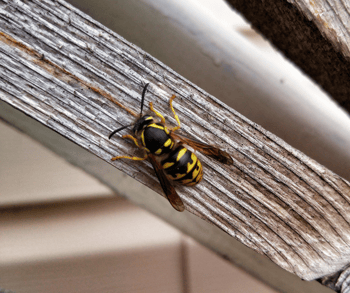 Yellowjackets are among the most recognizable and aggressive stinging insects. They typically have black and yellow markings and build nests in underground cavities, wall voids, attics, and other protected spaces.
These social wasps are especially noticeable during late summer and early fall when their colonies are at their largest. They are attracted to sugary foods, outdoor beverages, and food scraps, which can make backyard gatherings particularly appealing.
Paper Wasps
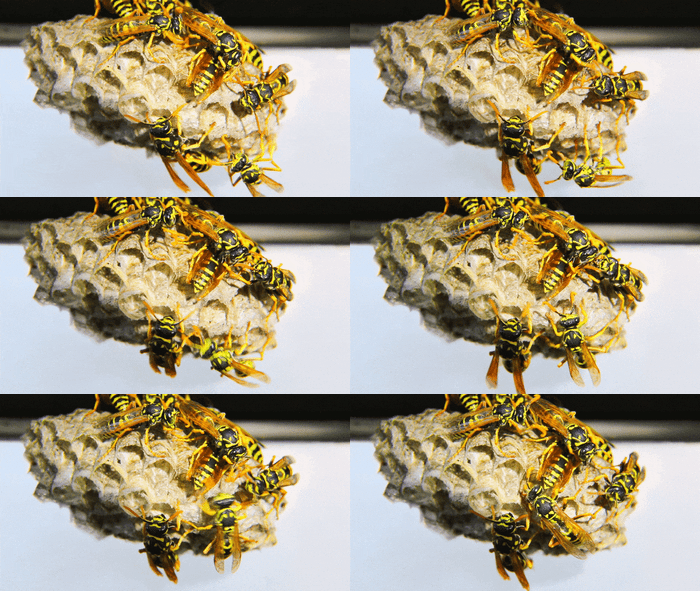
Paper wasps are slender insects with long legs and reddish-brown or dark-colored bodies, often featuring yellow markings. They build distinctive open-comb nests that resemble upside-down umbrellas.
Paper wasp nests are commonly found beneath roof eaves, porch ceilings, deck railings, and other sheltered areas around homes. While they are generally less aggressive than yellowjackets, they will defend their nests if disturbed.
Bald-Faced Hornets
Despite their name, bald-faced hornets are actually a type of yellowjacket. They are easily identified by their black bodies and distinctive white markings on their faces and abdomens.
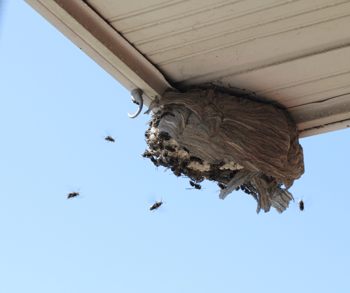
These social wasps construct large, enclosed, football-shaped nests, often in trees, shrubs, and sometimes beneath roof overhangs. Bald-faced hornets are highly defensive of their colonies and can become aggressive when their nests are approached.
European Hornets
European hornets are larger than many other wasp species and have reddish-brown and yellow markings. They typically build nests in hollow trees, wall voids, attics, and other enclosed spaces.
Unlike many other stinging insects, European hornets can remain active after dark and may be attracted to outdoor lighting. Their size can make them intimidating, but they generally prefer to avoid people unless their nest is threatened.
Understanding the Wasp Lifecycle
 To understand when wasp season ends, it helps to know how these insects develop throughout the year. Most social wasps follow an annual lifecycle, with colonies beginning in spring and gradually declining as temperatures drop.
Spring: New Colonies Begin
The lifecycle begins when fertilized queens emerge from their overwintering shelters. After finding a suitable nesting location, a queen begins building a small nest and lays her first eggs.
Once the eggs hatch, the queen feeds and cares for the developing larvae until they mature into worker wasps. These workers then take over nest construction, food gathering, and caring for additional young, allowing the colony to grow.
Summer: Colonies Expand
During summer, wasp colonies experience significant growth. Worker populations increase, nests become larger, and activity around the colony becomes more noticeable.
Workers spend much of their time collecting insects, nectar, and other food sources to support the colony. This is also when homeowners may begin noticing more wasps around outdoor dining areas, gardens, trash cans, and other places where food is readily available.
Late Summer and Fall: Reproduction and Increased Activity
As summer transitions into fall, many wasp colonies reach their largest populations. The colony begins producing new queens and males, which leave the nest to mate.
During this time, workers may become more noticeable as their food preferences shift toward sugary substances. This explains why wasps often seem especially persistent around outdoor gatherings, ripe fruit, and sweet drinks in the fall.
Winter: Colonies Decline
As temperatures drop, the lifecycle of most social wasp colonies comes to an end. Worker wasps, males, and the original queen typically die, while newly fertilized queens seek protected places to overwinter.
These queens remain dormant until warmer temperatures return, when they emerge and begin establishing new colonies.
Interestingly, most old wasp nests are not reused the following year. New queens generally build fresh nests when starting their colonies.
So, When Does Wasp Season End?
 In most parts of the United States, wasp activity begins to decline in late fall, typically around October or November. However, the exact timing depends on your geographic location, local climate, and seasonal temperatures.
In warmer regions, wasps may remain active well into the winter months. In colder climates, an early freeze can cause colonies to decline sooner.
It's also important to understand that cooler temperatures don't necessarily mean wasps disappear overnight. Some species may remain active during mild fall days, and homeowners may continue seeing individual wasps searching for food or shelter.
While most established colonies die off as winter approaches, overwintering queens can survive the colder months. When spring arrives, these queens emerge and begin the process of establishing new colonies.
That means the end of one wasp season doesn't necessarily mean the end of wasp problems around your home.
How to Help Prevent Wasps Around Your Home
Although you can't eliminate every factor that attracts wasps, there are several steps homeowners can take to make their properties less inviting.
Consider these preventative measures:
- Seal potential entry points: Inspect your home's exterior for gaps around siding, windows, doors, utility lines, and rooflines.
- Keep food and beverages covered: Avoid leaving sugary drinks, food scraps, and uncovered dishes outside.
- Secure trash cans: Use tightly sealed lids to prevent wasps from accessing food waste.
- Maintain your landscaping: Trim shrubs and tree branches near your home, and regularly inspect outdoor structures for early signs of nest activity.
- Inspect sheltered areas: Check beneath eaves, porch ceilings, decks, sheds, and other protected spaces where wasps may build nests.
- Address nests early: Small nests can grow quickly as worker populations increase. Contact a pest control professional if you discover an active nest.
Never attempt to knock down or disturb an active wasp or hornet nest. These insects can become aggressive when defending their colonies, and disturbing a nest can result in multiple stings.
How EcoShield Pest Solutions Can Help Protect Your Home
Even when wasp season begins to wind down, taking steps to protect your home from stinging insects is important. EcoShield Pest Solutions offers solutions designed to help homeowners manage and prevent unwanted pest activity.
Shield Home Protection Plan
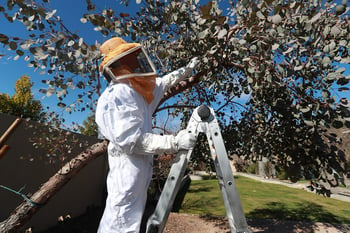 EcoShield's Shield Home Protection Plan provides ongoing residential pest protection designed around your home's unique needs. Through regularly scheduled service and preventative treatments, our technicians help address common household pests, including stinging insects.
Rather than waiting until a pest problem becomes noticeable, routine service helps address potential pest activity and reduce the conditions that make your property attractive to unwanted insects.
With a proactive approach to pest management, you can enjoy greater peace of mind throughout the changing seasons.
One-Time Stinging Insect Service
Already discovered a wasp, hornet, or yellowjacket nest around your property? EcoShield also offers one-time stinging insect services to address active nest concerns.
Whether a nest has appeared beneath your roofline, near your patio, or in another area around your home, our trained professionals can help identify the issue and provide appropriate treatment.
Our one-time stinging insect service is a convenient option for homeowners looking to address an existing stinging insect problem without enrolling in an ongoing pest protection plan.
Enjoy Your Home Without Unwanted Stinging Insects
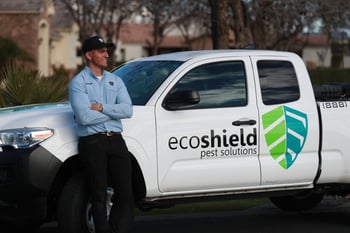 While wasp activity generally declines as temperatures drop, these insects can remain active longer than expected, especially during warmer fall weather. Understanding their lifecycle and recognizing the signs of nesting activity can help you stay ahead of potential problems.
Whether you're looking for ongoing pest prevention or need help addressing an existing wasp or hornet nest, EcoShield Pest Solutions is here to help.
Don't let stinging insects take over your outdoor spaces. Contact EcoShield Pest Solutions today to learn more about the Shield Home Protection Plan or schedule a one-time stinging insect service.
Visit EcoShieldPest.com or call (888) 744-1284 to get started! Fill out the form on this page to get your free, no-obligation quote.