
 Fall is a beautiful time of year to enjoy the outdoors, refresh your landscaping, and prepare your property for the colder months ahead. As leaves change color and temperatures begin to drop, many homeowners focus on raking leaves, trimming shrubs, cleaning up garden beds, and storing outdoor equipment. However, some common fall landscaping habits can unintentionally create the perfect environment for unwanted pests.
From ants and spiders to mice, termites, and other overwintering insects, pests are constantly searching for food, water, and shelter. As outdoor conditions become less favorable, your yard can provide everything they need to survive. Unfortunately, landscaping choices that seem harmless can make your property more attractive to these unwanted visitors and increase the likelihood of pests finding their way inside.
The good news is that a few simple adjustments to your fall yard maintenance routine can help make your property less inviting to pests. Here are five fall landscaping mistakes to avoid this season.
1. Letting Fallen Leaves and Yard Debris Pile Up
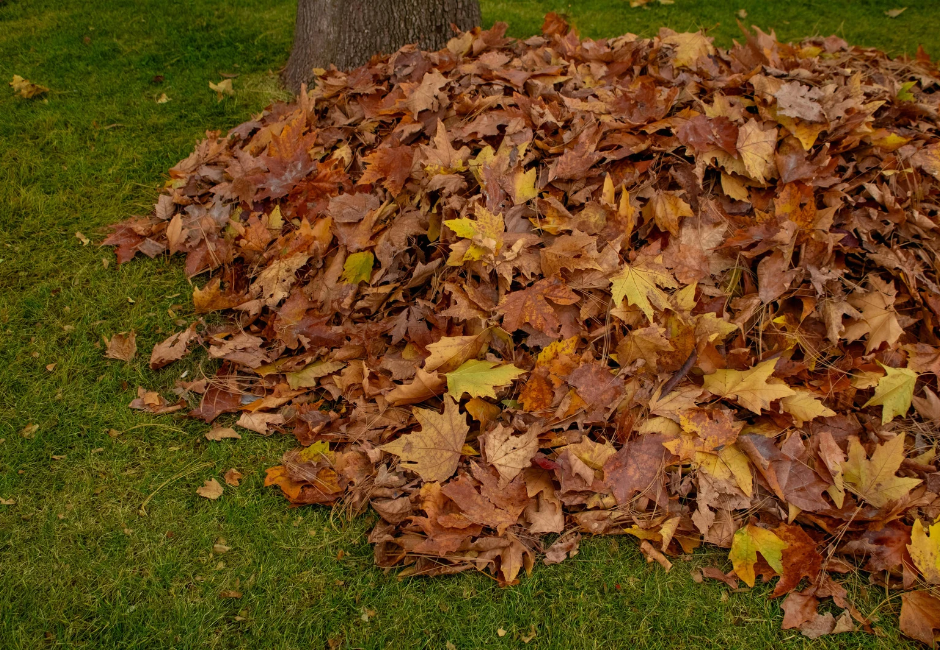 Colorful fall leaves may look beautiful scattered across your lawn, but thick piles of leaves can provide valuable shelter for a variety of pests. As leaves accumulate in garden beds, along foundations, beneath shrubs, and around outdoor structures, they create cool, damp hiding places where insects and other pests can settle.
Spiders, ants, beetles, earwigs, and other insects may use leaf litter as shelter. Moist piles of leaves can also attract moisture-loving pests, while rodents may use accumulated yard debris as nesting material or cover as they move around your property.
The problem can become more significant when leaves collect directly against your home's foundation. Debris in these areas can conceal cracks, gaps, and other potential pest entry points. It may also retain moisture near the foundation, creating conditions that can attract certain pests and contribute to wood deterioration.
How to avoid this mistake:
- Rake fallen leaves regularly instead of allowing them to accumulate throughout the season.
- Remove leaves and debris from areas immediately surrounding your home's foundation.
- Clear gutters and downspouts to prevent water from pooling around your property.
- Keep outdoor storage areas, sheds, and patios free of excessive leaf litter.
- If you compost leaves, maintain the compost pile away from your home's foundation and entrances.
You do not have to eliminate every leaf from your yard. The goal is to prevent excessive debris from building up in places where pests can hide, nest, and move closer to your home.
2. Planting Shrubs and Trees Too Close to Your Home
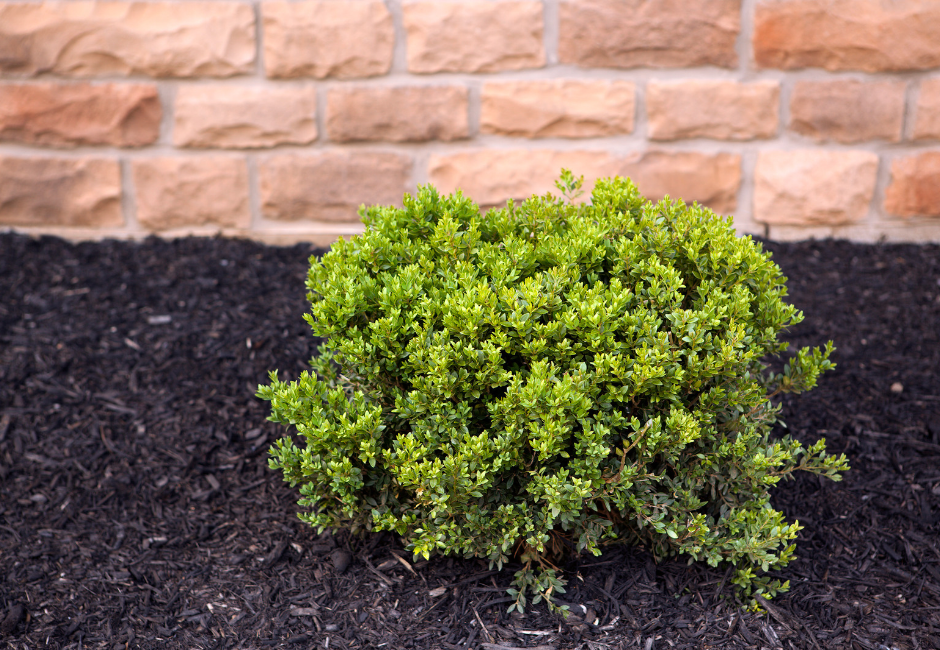 Trees, shrubs, and ornamental plants add beauty and curb appeal to your property, but landscaping that grows too close to your house can create convenient pathways and hiding places for pests.
Overgrown branches may touch siding, windows, rooflines, and gutters, giving ants, spiders, and other crawling insects easier access to your home's exterior. Branches that extend over the roof can also drop leaves and organic debris into gutters, contributing to moisture problems and creating additional places for pests to hide.
Dense shrubs planted against the foundation can create shaded, humid conditions that appeal to many insects. They can also make it more difficult to spot pest activity, inspect the foundation, and identify small openings around utility lines, vents, or siding.
Rodents can benefit from overgrown vegetation as well. Thick ground cover and tangled branches provide shelter as mice and other small animals travel between food sources, nesting sites, and potential entry points.
How to avoid this mistake:
- Trim tree branches so they do not touch your roof, siding, or windows.
- Prune shrubs regularly to prevent them from becoming dense and overgrown.
- Maintain a visible gap between vegetation and your home's exterior whenever practical.
- Avoid planting dense ground cover directly against the foundation.
- Inspect the exterior of your home for cracks, gaps, and damaged screens while trimming nearby vegetation.
When planning new landscaping, consider the mature size of each plant rather than its current size. Giving shrubs and trees adequate room to grow can improve airflow, simplify maintenance, and help reduce pest access to your home.
3. Leaving Firewood, Mulch, and Other Organic Materials Against the Foundation
 As temperatures cool, homeowners often prepare for fireplace season by stacking firewood near the house. Others refresh their garden beds with mulch or leave piles of branches and other organic materials in convenient spots around the yard.
While these practices may seem practical, storing organic materials directly against your home can provide pests with food, moisture, and shelter.
Firewood can harbor ants, beetles, spiders, termites, and other wood-associated insects. Rodents may also hide in woodpiles, particularly when the stacks are undisturbed. Bringing infested firewood indoors can introduce some of these pests into your home.
Mulch serves an important purpose in landscaping by helping retain soil moisture and regulate soil temperature. However, excessive mulch or mulch placed directly against siding can hold moisture near the foundation and create favorable conditions for certain insects. In some circumstances, moist conditions and wood-to-soil contact can also increase the risk of termite activity.
Not every woodpile or mulched garden bed will attract pests, but placement and maintenance make a difference.
How to avoid this mistake:
- Store firewood on a raised rack rather than directly on the ground.
- Keep firewood away from your home's foundation and exterior walls.
- Bring inside only the firewood you plan to burn, and inspect it before carrying it indoors.
- Keep mulch at a reasonable depth and avoid piling it against siding or other wood components.
- Remove unused lumber, fallen branches, and other wood debris from around the property.
- Monitor areas where mulch, soil, or landscaping materials meet the foundation for signs of moisture or pest activity.
A tidy, well-maintained yard can still include firewood and mulch. The key is to keep these materials properly positioned so they do not create a direct bridge between outdoor pest habitats and your home.
4. Ignoring Standing Water and Poor Drainage
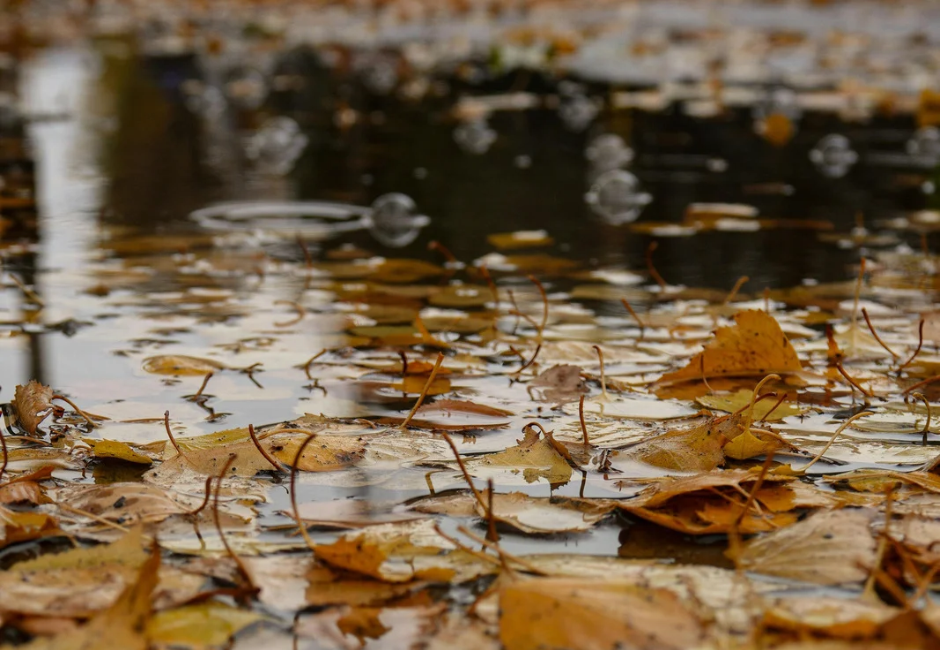 Water is essential for many pests, and fall landscaping mistakes can create moisture problems that attract them to your property. Although mosquitoes may become less active as temperatures drop, standing water can still support mosquito breeding when conditions are suitable. Other pests, including some ants, cockroaches, and moisture-loving insects, may also benefit from damp environments.
Fallen leaves can clog gutters and downspouts, preventing water from draining properly. Low spots in the lawn may collect rainwater, while decorative containers, neglected planters, tarps, and outdoor toys can hold water after a storm.
Excess moisture around the foundation can also create conditions that attract certain pests and may contribute to problems with damp wood. Termites, for example, are often associated with moisture-prone areas, although the conditions that favor different termite species vary. Persistent dampness can also attract pests such as springtails and fungus gnats, depending on the surrounding environment.
Water management is especially important during fall because cooler weather and shorter days can make it easier to overlook drainage issues that develop gradually.
How to avoid this mistake:
- Clean gutters and downspouts so rainwater can flow freely.
- Direct downspouts away from the foundation and ensure water drains away from the home.
- Fill or correct low spots in the yard where water repeatedly collects.
- Empty water from flowerpots, buckets, toys, and other outdoor containers.
- Repair leaking outdoor faucets, irrigation lines, and hoses.
- Avoid overwatering lawns and garden beds as temperatures decline.
- Remove damp leaf piles and other debris that trap moisture near the house.
Pay particular attention to the areas immediately surrounding your home's foundation. If you notice persistent dampness, pooling water, or recurring drainage problems, address the underlying issue rather than simply clearing the water after every rainfall.
5. Neglecting Your Garden at the End of the Growing Season
 When the growing season ends, it can be tempting to leave vegetable gardens, flower beds, and overgrown planting areas alone until spring. However, neglected gardens can become attractive places for pests to feed, shelter, and reproduce.
Overripe vegetables, fallen fruit, decaying plant matter, and exposed seeds can provide food for ants, flies, beetles, and rodents. Dead vegetation and dense ground cover may also offer shelter for insects and small animals seeking protection from cooler weather.
Certain pests can overwinter in plant debris, beneath bark, or in the soil. Leaving heavily infested plants and diseased material in place may allow some pest populations to persist into the next growing season. Rodents may also use untidy garden beds as cover while searching for food and nesting materials.
The risk is not limited to vegetable gardens. Fallen apples, berries, birdseed scattered beneath feeders, and neglected compost areas can all provide food sources that attract wildlife and pests closer to your home.
How to avoid this mistake:
- Harvest ripe fruits and vegetables promptly.
- Pick up fallen fruit and remove decaying produce from the ground.
- Pull out spent annual plants and remove heavily infested vegetation.
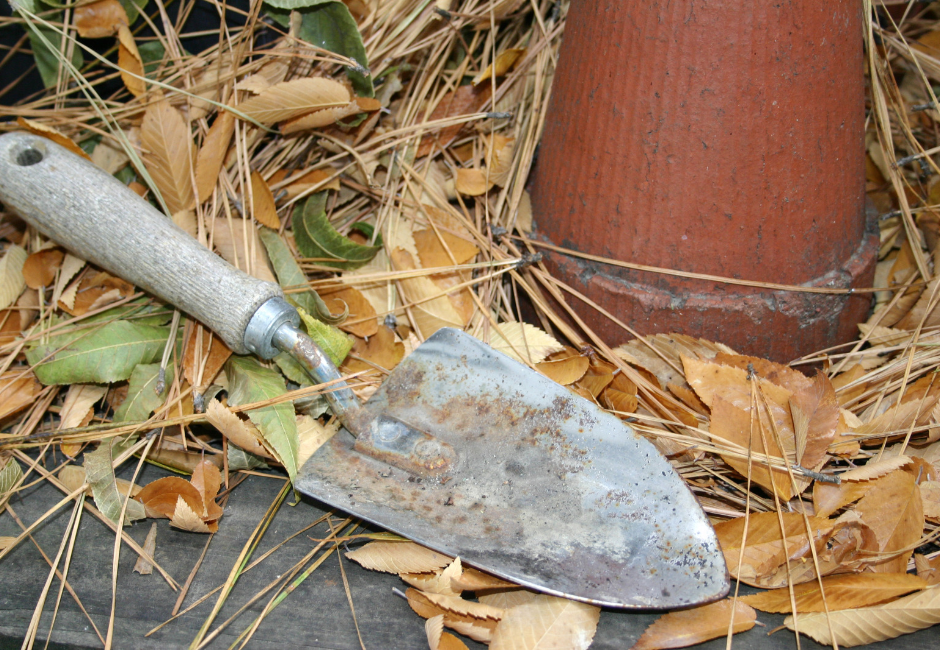
- Clean garden tools, containers, and storage areas before putting them away for winter.
- Store grass seed, birdseed, pet food, and other food sources in tightly sealed containers.
- Keep compost bins maintained and covered, and avoid placing them directly beside the house.
- Trim back excessive ground cover and remove unnecessary garden clutter.
A fall garden cleanup can reduce the food and shelter available to pests while making spring planting easier. Before removing all plant material, however, consider whether healthy native plants or seed heads provide important habitat for beneficial insects and wildlife. Focus on removing pest-infested material, decaying produce, and debris that creates problems around the home.
Why Fall Landscaping Matters for Year-Round Pest Prevention
 Fall landscaping is about more than maintaining curb appeal. Your yard is part of the environment surrounding your home, and the conditions you create outdoors can influence the types of pests that live nearby.
As temperatures decline, some insects seek protected places to overwinter, while rodents may search for dependable sources of food and shelter. Depending on the species and local climate, pests may gather beneath debris, enter wall voids, hide in crawl spaces, or seek refuge in garages, basements, and attics.
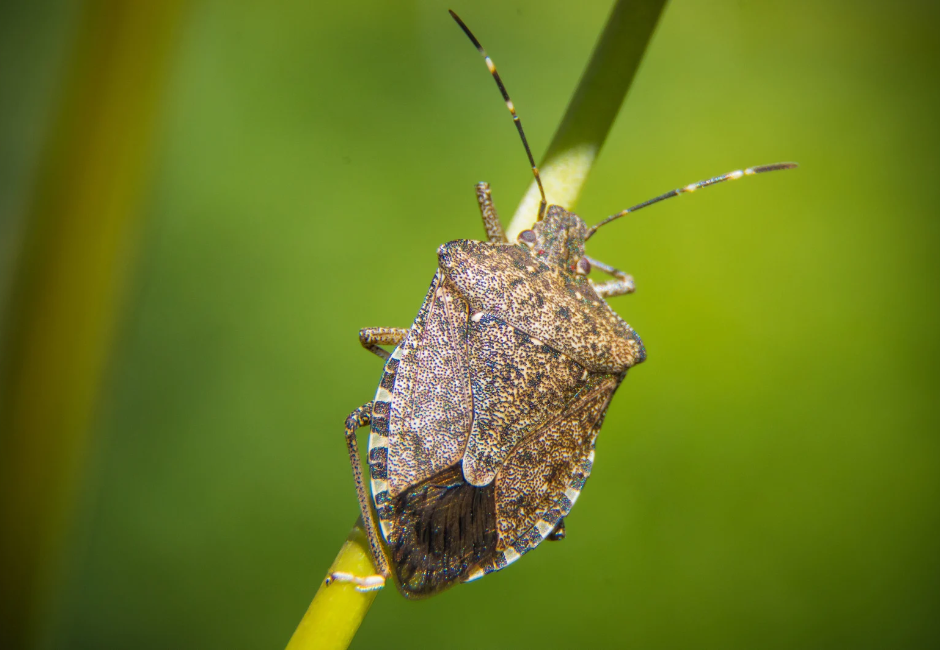
Some insects, including stink bugs, boxelder bugs, and lady beetles, may congregate on sunny exterior walls before finding protected overwintering locations. Others, such as ants and spiders, may remain active in suitable conditions or enter structures when outdoor resources become less favorable. Mice and other rodents can exploit small openings to access sheltered spaces inside buildings.
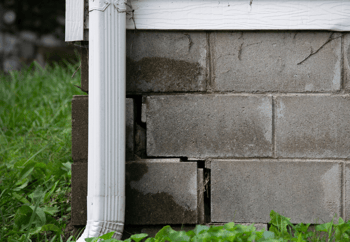 Good landscaping practices can help reduce the conditions that attract these pests, but outdoor maintenance is only one part of an effective prevention strategy. Pests can still enter through gaps around doors, windows, pipes, vents, foundations, and other openings, even when a yard is well maintained.
For this reason, fall is an excellent time to combine landscaping cleanup with a thorough inspection of your home's exterior. Look for damaged screens, worn door sweeps, foundation cracks, loose siding, and gaps around utility penetrations. Address moisture problems promptly, and keep an eye out for signs of pest activity in garages, sheds, basements, and other areas that may provide shelter.
Protect Your Home From Fall Pests With EcoShield Pest Solutions
Your landscaping choices can make a meaningful difference in helping keep pests away from your home, but even the best yard maintenance routine cannot eliminate every pest risk. Seasonal changes, environmental conditions, and small structural openings can all contribute to pest activity.
EcoShield Pest Solutions helps homeowners protect their homes with pest solutions tailored to their property's needs. Whether you are dealing with ants, spiders, rodents, or other common household pests, professional pest management can help address existing activity and support ongoing prevention.
This fall, take time to clear yard debris, trim overgrown vegetation, manage moisture, store firewood properly, and clean up your garden. By avoiding these five common landscaping mistakes, you can help make your property less attractive to unwanted pests as temperatures drop.
For additional peace of mind, contact EcoShield Pest Solutions to learn more about pest protection options for your home.
Visit EcoShieldPest.com or call (888) 744-1284 to get started.