
 As the seasons change and temperatures begin to drop, homeowners may notice more activity around their homes than they expected. While some pests are simply passing through, others can become a persistent nuisance once they find a comfortable place to settle. Boxelder bugs are one of the pests that can become particularly noticeable during the transition from warm weather to cooler temperatures. Understanding what these insects are, why they show up around homes, and what attracts them indoors can help homeowners better understand a seasonal pest problem before it gets out of hand.
What Are Boxelder Bugs?
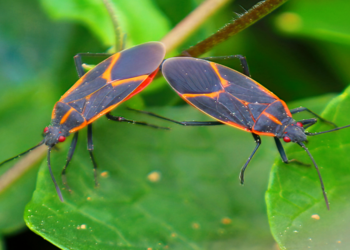
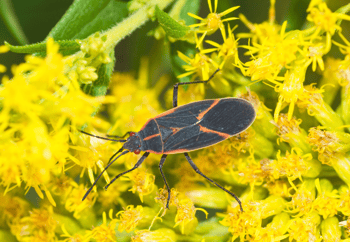
Boxelder bugs are small, black-and-red insects named after one of their preferred host trees: the boxelder tree. They can also be found around maple and ash trees, among other plants. Adult boxelder bugs are generally about half an inch long and have a distinctive dark body with reddish-orange markings along their backs and wings.
Boxelder bugs are not typically considered destructive pests. Unlike termites or carpenter ants, they don't chew through wood or damage the structural components of a home. They also don't reproduce inside food products or cause the types of property damage associated with some other household pests. Their biggest problem is their tendency to congregate in large numbers and seek shelter inside homes.
That can make a relatively small insect feel like a much bigger problem.
The Boxelder Bug Lifecycle
 Boxelder bugs go through an incomplete metamorphosis, meaning they develop through three primary stages: egg, nymph, and adult. During the warmer months, adult boxelder bugs become active and seek out suitable host plants where they can feed and reproduce.
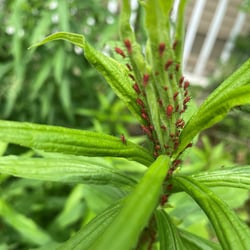
Females lay clusters of eggs on leaves, bark, and other suitable surfaces. The eggs eventually hatch into nymphs, which are smaller versions of adult boxelder bugs. Young nymphs are typically bright red and gradually develop their characteristic darker coloring and markings as they mature.
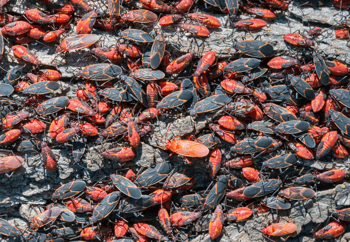
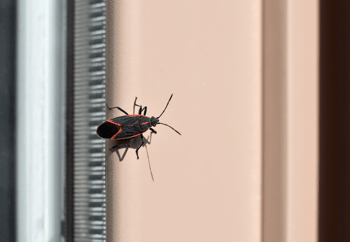
Boxelder bugs are most active during the warmer parts of the year. As summer transitions into fall, adults begin looking for protected places where they can spend the winter. This is when homeowners may start noticing large groups gathering on the sunny sides of buildings, around windows, or on exterior walls.
Once spring arrives and temperatures begin to rise, overwintering adults become active again. They emerge from their hiding places, return to host plants, and begin the cycle again.
Why Do Boxelder Bugs Enter Homes?
 One of the biggest reasons boxelder bugs become a household nuisance is simple: they are looking for protection from the cold.
As outdoor temperatures fall, boxelder bugs begin searching for sheltered locations where they can spend the winter. A home can provide exactly what they're looking for. Small gaps, cracks, openings around windows, and other entry points can give these insects access to protected areas of a structure.
Boxelder bugs are particularly attracted to warm, sunny surfaces in the fall. You may see large numbers of them gathering on south- or west-facing exterior walls because these areas receive more sunlight and can remain warmer than shaded portions of the building.
Eventually, some of these insects may find their way inside.
Once indoors, boxelder bugs often move into wall voids, attics, ceilings, or other protected areas. They may remain relatively inactive while temperatures are low, but that doesn't necessarily mean they've disappeared.
Why Am I Seeing Boxelder Bugs Inside My House?
 Boxelder bugs can sometimes seem to appear out of nowhere.
In reality, they may have entered a structure weeks or even months earlier. When the weather outside warms up, insects that have been overwintering in protected areas can become active again. They may then move toward warmer areas or emerge around windows, light fixtures, vents, and other locations.
This can be especially noticeable during late winter and early spring when outdoor temperatures fluctuate. A sunny day can provide enough warmth to wake up overwintering boxelder bugs, even if nighttime temperatures remain cold.
Seeing a few boxelder bugs indoors doesn't necessarily mean you have a major infestation. However, finding them repeatedly or seeing large numbers can indicate that your home has entry points or exterior conditions that are allowing these seasonal pests to gain access.
Where Do Boxelder Bugs Hide?
Outside, boxelder bugs can congregate on trees, shrubs, fences, siding, and other surfaces. Around homes, they may gather in areas that provide warmth and protection from the elements.
Once inside, they can hide in a variety of secluded locations, including:
- Wall voids
- Attics
- Around window and door frames
- Behind siding
- Around vents and other openings
- Under insulation
- Cracks and crevices around the exterior of a home
Because boxelder bugs can squeeze through relatively small openings, identifying every potential entry point can be difficult.
Are Boxelder Bugs Dangerous?
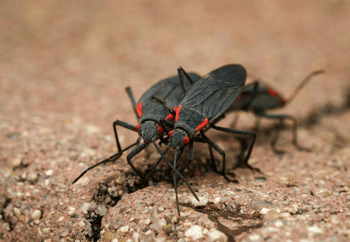 Fortunately, boxelder bugs are generally considered nuisance pests rather than dangerous household pests. They don't sting, and they aren't known for transmitting diseases to people.
However, that doesn't mean homeowners want them inside their homes.
Large numbers can be unpleasant to deal with, particularly when the insects begin appearing throughout living spaces. Boxelder bugs can also produce an unpleasant odor when crushed, making squishing them an undesirable way to deal with an indoor problem.
In some cases, their presence can also become frustrating simply because of the sheer number of insects involved. A few bugs around a window can quickly become dozens or more if the home provides convenient shelter and entry points.
Why Do Some Homes Have More Boxelder Bugs Than Others?
If you seem to have boxelder bugs every fall while your neighbor doesn't, there may be several reasons.
Nearby host trees: Homes located near boxelder, maple, or ash trees may be more likely to experience boxelder bug activity.
Sun exposure: South- and west-facing walls can provide attractive warm surfaces where boxelder bugs gather during cooler weather.
Entry points: Gaps around windows, doors, siding, vents, utility penetrations, and other areas can provide easy access into a home.
Sheltered areas: Homes with plenty of protected spaces around the structure may offer boxelder bugs more opportunities to hide.
Previous activity: If boxelder bugs successfully overwintered around or inside a home in previous years, homeowners may notice recurring seasonal activity.
These factors can work together, which is why simply removing the bugs you see may not solve the underlying problem.
How Can I Keep Boxelder Bugs Out of My Home?
The best approach to boxelder bug prevention is to make your home less accessible and less attractive to these seasonal pests.
Seal Cracks and Gaps
Inspect the exterior of your home for potential entry points. Pay particular attention to areas around windows, doors, siding, vents, utility lines, and other openings.
Sealing cracks and gaps can help reduce the opportunities boxelder bugs have to get inside.
Check Windows and Doors
Make sure window screens are intact and fit properly. Check doors for gaps around the frame and make sure door sweeps and weather stripping are in good condition.
Small openings around windows and doors can provide easy access for nuisance pests.
Reduce Exterior Harborage
Keep vegetation, leaves, and debris from accumulating directly against the foundation. Maintaining a clean perimeter can make the area around your home less appealing to a variety of pests.
Pay Attention to Trees
If you have boxelder, maple, or ash trees close to your home, keep an eye on them for seasonal boxelder bug activity. While removing trees isn't typically necessary simply because boxelder bugs are present, understanding where the insects are coming from can help identify why they're congregating around your property.
Don't Wait Until They're Inside
One of the most important aspects of seasonal pest management is timing. Once large numbers of boxelder bugs have found their way into a home, removing them individually can become a frustrating process.
Addressing pest activity around the exterior of the home before insects begin seeking winter shelter can be an important part of prevention.
Can You Get Rid of Boxelder Bugs Yourself?
 For a few individual bugs, homeowners may be able to remove them with a vacuum or other simple methods. However, DIY removal doesn't necessarily address how the insects are getting into the home in the first place.
If boxelder bugs are consistently returning year after year, the larger issue may be exterior activity and access points around the structure.
It's also important to remember that boxelder bugs can gather in significant numbers. Trying to eliminate a large population yourself can become time-consuming, particularly if the insects are concentrated in hard-to-reach areas or are already entering wall voids and other protected spaces.
Professional pest management can help homeowners address the problem more comprehensively by looking at both current activity and the conditions that may be contributing to it.
Keep Boxelder Bugs Outside Where They Belong
 Boxelder bugs may only be seasonal nuisance pests, but that doesn't make a house full of them any less frustrating. Their tendency to gather in large numbers, seek shelter in homes, and reappear when temperatures fluctuate can make them a recurring problem for homeowners in areas where these insects are common.
The key is understanding that seeing boxelder bugs inside your home may be a sign of a larger seasonal pattern. By identifying where they're coming from, limiting potential entry points, and addressing exterior activity before the insects settle in for the winter, homeowners can take important steps toward keeping these unwanted guests outside.
If boxelder bugs are becoming a recurring problem around your home, EcoShield Pest Solutions can help. Our pest professionals can identify areas of activity and potential entry points and develop a pest management approach tailored to your home and its specific needs. Instead of waiting for seasonal pests to become a household nuisance, contact EcoShield to learn more about protecting your home year-round.