
 As summer fades into fall, cooler temperatures bring changing leaves, crisp mornings, and, unfortunately, a change in pest activity. While some insects become less active as temperatures drop, others start looking for a protected place to spend the winter. For homeowners, that protected place can sometimes be inside the house.
Fall is an important season for pest prevention because many pests are responding to the same environmental changes homeowners are experiencing. As outdoor temperatures fall, pests may search for warmth, food, water, and shelter. Mice and other rodents can move indoors, while overwintering insects such as stink bugs, boxelder bugs, Asian lady beetles, and cluster flies may gather around homes and look for cracks and crevices where they can shelter until spring.
That makes fall more than just a season for cleaning gutters and putting away patio furniture. It is also an opportunity to inspect your home, eliminate conditions that attract pests, and address potential entry points before pests have a chance to settle in.
So, what can you do to prepare your home for fall pest activity?
Here are 10 things to add to your fall pest-prevention checklist.
Why Are Pests More Active Around Homes in the Fall?
Before getting into prevention tips, it helps to understand what is happening in the pest world when summer ends.
Pests do not all respond to cooler temperatures in the same way. Some become dormant or significantly less active. Others enter a stage of their life cycle designed to help them survive the winter. Still others actively seek shelter from the cold.
Some pests are looking for a place to overwinter
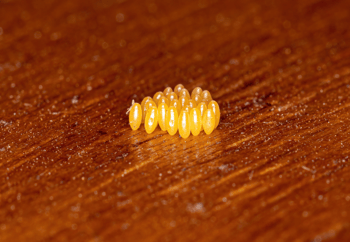 Overwintering is a survival strategy that allows certain insects to make it through unfavorable winter conditions. Depending on the species, an insect may overwinter as an adult, egg, larva, pupa, or another life stage.
Some insects use natural hiding places such as tree bark, leaf litter, rock crevices, or protected areas around vegetation. Unfortunately, gaps in homes can provide similar shelter.
Stink bugs, boxelder bugs, Asian lady beetles, and cluster flies are examples of pests that may seek protected areas around homes in the fall. They can gather on sunny exterior walls and then move into cracks, wall voids, attics, garages, or other sheltered spaces.
The important takeaway is that seeing these pests around your home in the fall does not necessarily mean they are reproducing inside your house. In many cases, they are simply trying to find a protected location where they can spend the winter.
Rodents are looking for warmth, food, and shelter
Mice and other rodents have a different strategy. Rather than becoming dormant for the winter, they can remain active while searching for the resources they need to survive.
A house provides nearly everything a rodent could want: warmth, shelter, food, water, and plenty of hidden spaces.
And mice do not need a large opening to get inside. A mouse can squeeze through an opening around the size of a dime or a pencil, which means seemingly insignificant gaps can become potential entry points.
Once indoors, rodents can remain hidden behind walls, in attics, basements, garages, crawl spaces, and other low-traffic areas.
Pest life cycles do not stop just because summer ends
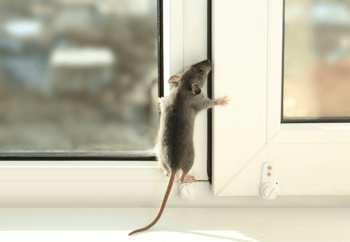 Another common misconception is that cooler weather means pest problems are over.
In reality, pest activity changes throughout the year rather than simply stopping.
Many pests have predictable seasonal patterns. Some reproduce during warmer months and then enter a different life stage as temperatures change. Others seek shelter before winter and emerge again when temperatures rise in spring.
That is why effective pest management should consider the entire pest life cycle rather than simply reacting when pests are visible.
10 Things to Do Before Temperatures Drop
1. Inspect and Seal Cracks and Gaps Around Your Home
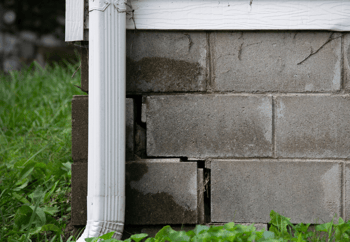
One of the most important things you can do before fall temperatures arrive is inspect the exterior of your home for potential pest entry points.
Walk around your property and look closely at areas where different materials meet or where utilities enter the house.
Pay particular attention to:
- Cracks in the foundation
- Gaps around windows and doors
- Spaces around pipes and utility lines
- Openings around vents
- Damaged siding
- Gaps around the roofline
- Soffits and fascia
- Garage door gaps
- Chimneys and other roof penetrations
- Areas where cables or wires enter the home
Even a small opening can provide an opportunity for pests to enter.
For rodents, exclusion is especially important because mice can squeeze through remarkably small openings. For overwintering insects, sealing cracks and crevices can help prevent them from getting inside and establishing themselves in wall voids or other protected areas.
Fall tip:
Do not only look at eye level. Some of the most important entry points can be around the foundation, roofline, attic vents, garage, and utility penetrations.
2. Check Your Doors, Windows, and Screens
Your doors and windows are some of the most obvious connections between your home and the outdoors, so they deserve a closer inspection.
Check that:
- Window screens are intact.
- Door screens do not have holes.
- Weatherstripping is in good condition.
- Exterior doors close tightly.
- Garage doors form a good seal with the ground.
- Door sweeps are intact.
- There are no visible gaps around frames.
A damaged screen might not seem like a major pest concern, but small openings can provide easy access for insects.
Doors can also be an important rodent entry point. If you can see daylight underneath an exterior door, there may be enough space for a mouse to investigate.
Replacing worn weatherstripping or installing a properly fitted door sweep can help close these potential pathways.
3. Clean Up Leaves, Debris, and Clutter Around the Foundation
Fall cleanup can do more than make your landscaping look better.
Leaves, branches, mulch, firewood, yard debris, and other materials can create protected spaces where pests can hide.
As you clean up your yard, pay particular attention to the area immediately surrounding your home's foundation.
Move or remove:
- Leaf piles
- Dead vegetation
- Fallen branches
- Excess debris
- Unused boxes
- Yard equipment
- Other clutter
Do not overlook the space beneath decks, porches, stairs, and sheds.
The goal is not to eliminate every insect from your yard. Many insects are beneficial and play important roles in the ecosystem. Instead, focus on reducing unnecessary harborage areas close to the structure and keeping potential pest pathways easier to identify.
4. Keep Firewood Away From the House
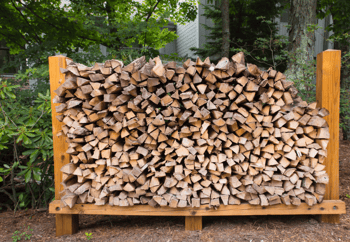
Firewood is an important part of fall and winter for many homeowners, but it can also provide shelter for insects and other unwanted pests.
Keep firewood elevated off the ground whenever possible and store it away from the house rather than directly against the foundation.
Before bringing firewood indoors, inspect it for insects and other pests.
Avoid storing large amounts of firewood in garages, basements, or other attached areas unless it is appropriate for your property and local conditions.
A simple rule to remember:
Bring in the firewood, not the bugs that may be hiding in it.
5. Address Moisture Problems
Pests need more than food and shelter. Many also depend on moisture.
Fall is a good time to look for sources of unnecessary moisture around and inside your home.
Check for:
- Leaking pipes
- Dripping faucets
- Clogged gutters
- Downspouts draining toward the foundation
- Poor drainage
- Standing water
- Damp basements
- Moist crawl spaces
- Leaky outdoor faucets
- Condensation around HVAC equipment
Moisture can make an area more attractive to certain insects and can also contribute to conditions that allow pests to thrive.
Your gutters are especially important. Leaves and other fall debris can clog them, causing water to overflow near the foundation. Make sure gutters are clean and downspouts direct water away from the house.
6. Store Food and Pet Food Properly
When pests enter a home, food can quickly turn an opportunity into an infestation.
Keep pantry staples in sealed containers rather than leaving food in open bags or cardboard boxes whenever practical.
Do not forget about pet food.
Pet food, bird seed, and other food products can be attractive to rodents and other pests. Store them in secure containers with tight-fitting lids, and clean up spills promptly.
Also pay attention to:
- Crumbs under appliances
- Food left on counters
- Open trash cans
- Pet food left out overnight
- Food residue in pantries
- Grease and food buildup around appliances
You do not need a perfectly spotless home to prevent pests. The goal is to make food and water less accessible and remove conditions that make your home attractive to unwanted visitors.
7. Inspect Your Attic, Basement, Garage, and Crawl Spaces
Some of the most important areas for fall pest prevention are the places you may not visit every day.
Attics, basements, garages, crawl spaces, sheds, and other low-traffic areas can provide ideal shelter for pests.
During your fall inspection, look for signs such as:
- Droppings
- Gnaw marks
- Nesting material
- Dead insects
- Live insects
- Pest damage
- Webbing
- Unusual odors
- Grease marks or rub marks near potential rodent pathways
- Gaps or openings to the exterior
Pay particular attention to dark corners, stored boxes, insulation, and areas around pipes and wiring.
Finding a few signs of activity early can give you an opportunity to address a problem before it becomes more difficult to manage.
8. Trim Vegetation Away From the House
Trees, shrubs, vines, and other vegetation can provide pests with a convenient bridge to your home.
Trim vegetation that touches or rests directly against the structure, particularly around:
- Rooflines
- Windows
- Doors
- Gutters
- Siding
- Vents
- Utility entrances
Vegetation can also create shaded, protected areas around the foundation where moisture and pest activity can persist.
This does not mean your landscaping has to be sparse. Thoughtful landscaping and routine maintenance can help reduce direct pest pathways while keeping your property looking great.
9. Look for Signs of Pest Activity Before You See the Pest
One of the most useful fall pest-prevention habits is learning to look for evidence rather than waiting to see a pest crawling across your kitchen floor.
Pests are often active long before homeowners notice them.
For example, signs of rodents can include droppings, gnaw marks, nesting materials, food damage, unusual odors, or scratching sounds.
Insect activity may appear as:
- Clusters of insects around windows
- Insects gathering on sunny exterior walls
- Webbing
- Droppings or frass
- Damaged plants
- Nesting activity
- Small openings or damage around the home's exterior
Early detection matters because pest activity can change quickly.
If you notice repeated signs of activity, identify the pest before attempting treatment. Different pests have different behaviors, life cycles, entry points, and control strategies.
10. Consider Year-Round Pest Protection
Perhaps the most important fall pest-prevention step is not waiting until pests become a problem.
Seasonal pest activity is connected.
The pests you see in fall may be responding to conditions that developed during spring and summer. Likewise, pest activity that begins in fall can influence what you experience during winter and the following spring.
That is why year-round pest control can be an important part of protecting your home.
A professional pest management program can help with:
- Routine inspections
- Monitoring for pest activity
- Identifying potential entry points
- Addressing conditions that attract pests
- Treating active pest problems
- Preventing recurring activity
- Adjusting protection as seasonal pest behavior changes
Rather than treating every pest sighting as an isolated problem, ongoing pest management takes a more comprehensive approach to protecting your home.
What Pests Should Homeowners Watch for in the Fall?
While pest activity varies by region and weather conditions, several common household pests can become particularly noticeable as temperatures change.
Mice and Other Rodents
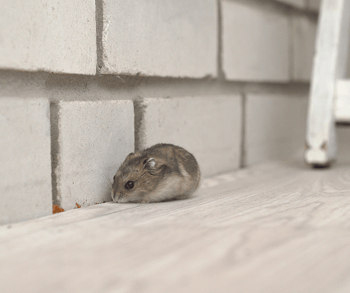 Rodents are among the pests homeowners are often most concerned about in fall.
As temperatures drop, mice may seek indoor shelter where they can find warmth, food, and protection.
Once inside, they can hide in wall voids, attics, basements, garages, crawl spaces, and other areas.
Mice can also reproduce quickly, which means a small problem can become a larger one if it is not addressed.
The best time to find a rodent entry point is before the rodent finds it.
Stink Bugs
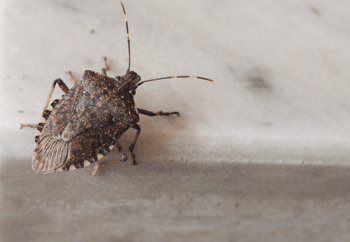 Brown marmorated stink bugs are particularly well known for their fall behavior.
As temperatures cool, adults may gather on warm, sunny portions of buildings while searching for protected overwintering sites.
They can enter through cracks and gaps around windows, doors, siding, utility lines, and other openings.
Although they are primarily a nuisance inside homes and do not reproduce within the structure, large numbers can be frustrating for homeowners.
Asian Lady Beetles
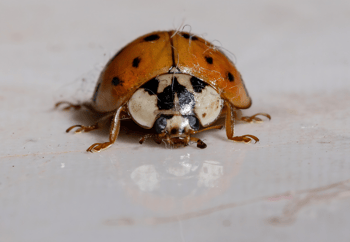 Asian lady beetles can also seek protected overwintering locations as fall arrives.
They may gather on sunny exterior walls before moving into cracks, wall voids, attics, and other sheltered areas.
Homeowners may then notice them indoors during warm periods throughout winter or early spring.
Exclusion is particularly important because once insects have entered wall voids, simply killing the visible insects inside does not necessarily prevent additional insects from emerging later.
Boxelder Bugs
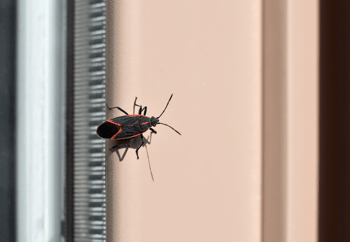 Boxelder bugs are another classic fall nuisance.
They may congregate on sunny areas of homes and other structures before seeking protected locations for the winter.
Like other overwintering pests, they can exploit cracks and crevices around the exterior of a home.
Sealing entry points before large numbers gather can help reduce the likelihood of an indoor invasion.
Cluster Flies
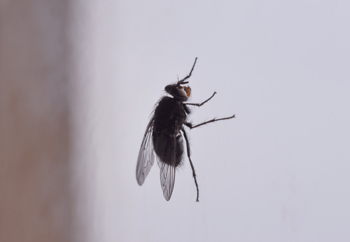 Cluster flies may also seek protected places to overwinter as autumn arrives.
They can enter structures through cracks and other openings and may become noticeable around windows during warm winter days.
Because they are looking for shelter rather than food inside the home, prevention and exclusion are important parts of managing these seasonal invaders.
Why Do Pests Come Inside When It Gets Cold?
It is easy to think of pests as simply "escaping the cold," but their behavior is more complicated.
Temperature is only one factor.
Pests are responding to a combination of environmental conditions, including:
Temperature
Cold weather can make outdoor conditions less favorable for many pests. A home offers a more stable environment.
Food
A home can provide access to crumbs, pantry foods, pet food, garbage, and other food sources.
Water
Leaks, condensation, standing water, and moisture around the home can provide the water pests need.
Shelter
Wall voids, attics, basements, garages, crawl spaces, and other protected areas can provide shelter from weather and predators.
Life cycle
Some insects are biologically programmed to seek protected places at particular points in their life cycle.
Understanding these factors is important because pest prevention is not simply about killing pests. It is about making your property less attractive and less accessible to them.
Is Fall Too Late for Pest Control?
 No.
No.
In fact, fall can be an especially important time to evaluate your home's pest protection.
By fall, many pest populations have already developed throughout the spring and summer. At the same time, changing temperatures can trigger new behaviors, including overwintering and movement toward structures.
Addressing potential entry points, sanitation issues, moisture problems, and active pest activity before winter can help reduce the opportunity for pests to establish themselves indoors.
However, effective pest control does not have to begin in fall.
Year-round pest management allows homeowners and pest professionals to address different pest pressures as they occur throughout the seasons.
Why Year-Round Pest Control Matters
Pest control works best when it is viewed as an ongoing process rather than a one-time event.
Different pests become active at different times of the year.
Spring
As temperatures rise, overwintering insects become active again. Ants begin foraging, termites may swarm, and many other insects enter their active season.
Summer
Warm temperatures can support rapid insect development and reproduction. Mosquitoes, stinging insects, ants, spiders, and other pests may become especially noticeable.
Fall
Rodents and overwintering insects may begin searching for shelter. This is an important season for exclusion and prevention.
Winter
Some pests become less active outdoors, but protected pests may remain active inside homes. Rodents can continue searching for food and shelter, while overwintering insects may become visible indoors during warm periods.
The calendar changes, but pest pressure does not simply disappear.
A year-round approach allows pest management strategies to change with the biology and behavior of the pests you're dealing with.
Fall Pest Prep Checklist
Before temperatures drop, walk around your home and check each of these items:
☐ Seal cracks and gaps around the foundation
☐ Check doors, windows, screens, and weatherstripping
☐ Inspect the garage door for gaps
☐ Clean leaves and debris away from the foundation
☐ Store firewood away from the house
☐ Clean gutters and check downspouts
☐ Address leaks and moisture problems
☐ Store food and pet food in sealed containers
☐ Inspect attics, basements, garages, and crawl spaces
☐ Look for signs of pest activity
☐ Trim vegetation away from the structure
☐ Consider professional year-round pest protection
Don't Let Pests Make Themselves at Home This Fall
 Fall is a season of transition, and pests are transitioning, too.
Some are looking for food. Some are searching for warmth. Some are preparing to overwinter. Others are simply taking advantage of small cracks, gaps, and sheltered spaces that happen to be part of your home.
The good news is that homeowners can take proactive steps to make their properties less inviting.
Seal potential entry points. Reduce food and water sources. Keep debris away from the foundation. Inspect less-visible areas of the home. And pay attention to early signs of activity.
Most importantly, don't wait until a pest problem becomes obvious before taking action.
At EcoShield Pest Solutions, we believe effective pest control is about more than treating the pests you see. It's about understanding pest behavior, identifying potential problems, and helping protect your home throughout the year.
Ready to get ahead of fall pests? Contact EcoShield Pest Solutions to learn more about year-round pest protection for your home.